Raw Honey: Why It Crystallises and How to Spot Adulteration
What raw honey is, why mustard honey turns solid in winter, and which home purity tests actually tell you something.
· 1 min read
What raw honey means
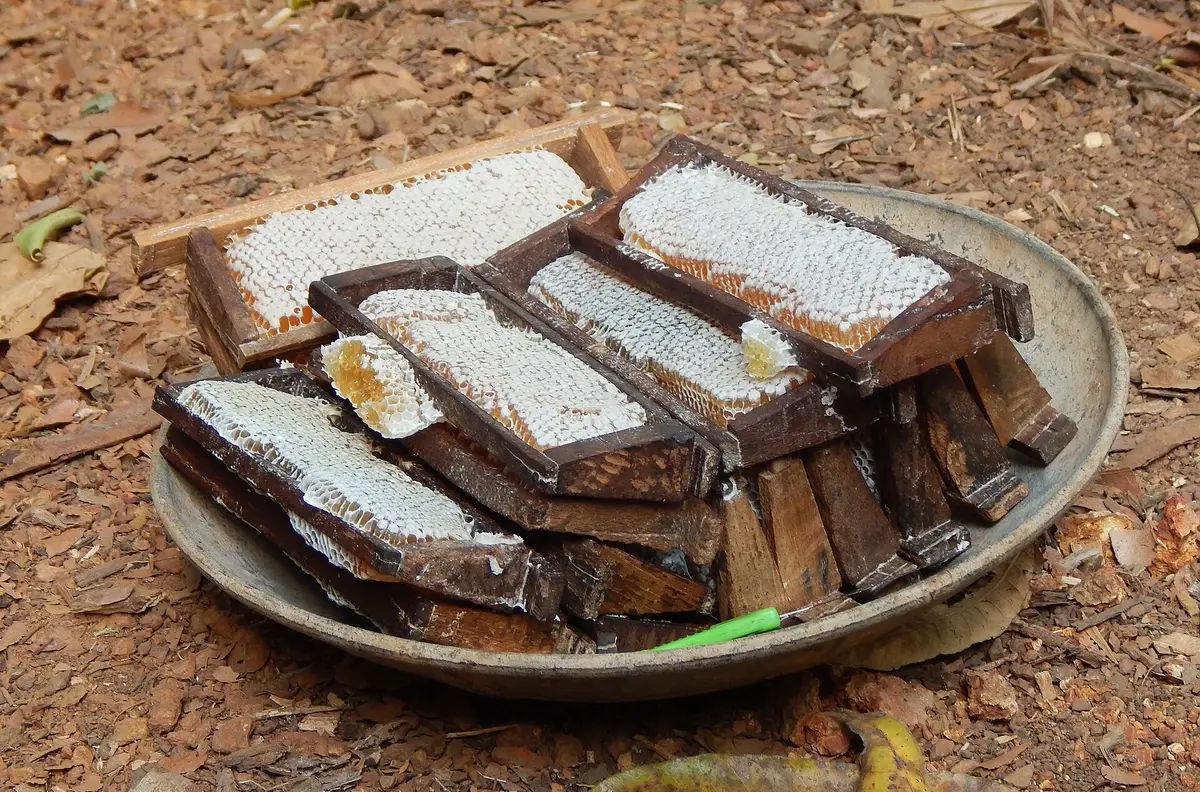
Raw honey is taken from the hive, strained to remove wax and bee parts, and bottled — nothing more. Most large brands heat honey to keep it liquid on the shelf and filter it very finely, which also removes pollen.
We extract honey only from capped (fully ripened) frames and strain it through cloth, without heating.
Why honey crystallises
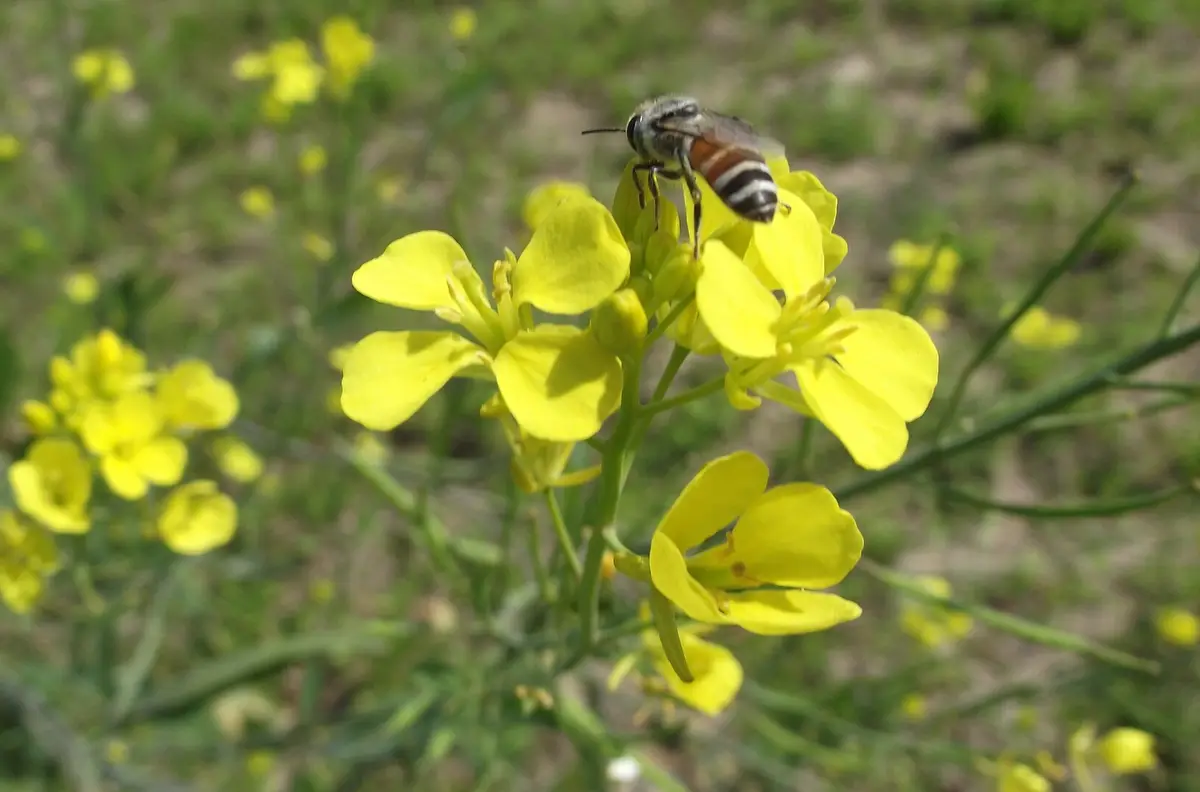
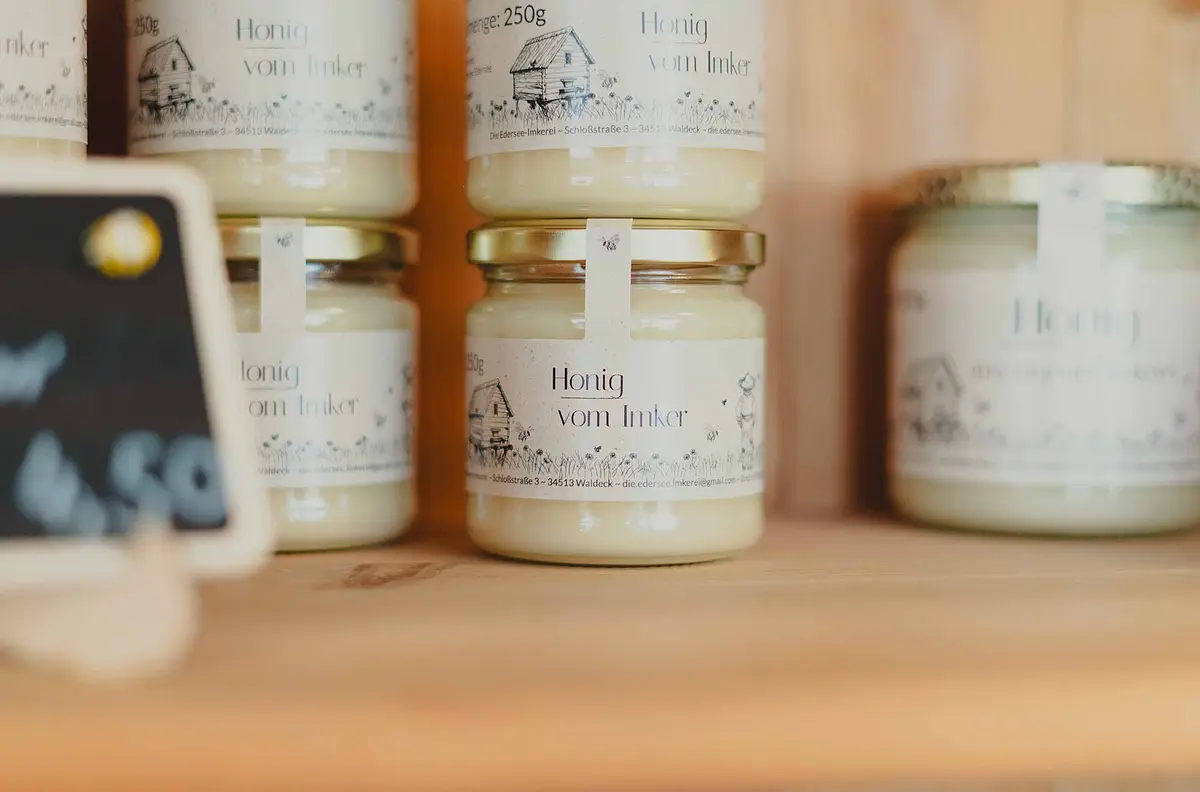
Honey is a natural mix of sugars, mainly glucose and fructose. Honey with more glucose — like mustard honey — crystallises quickly, especially in cold weather. It turns into a smooth, creamy white solid within weeks.
Crystallisation is natural and does not mean the honey is fake or spoiled. To make it liquid, stand the closed jar in warm water (below 45 °C) and stir.
Home tests: what works and what doesn't
Popular tests like the water-glass test, the flame test or the thumb test are unreliable — pure honey can fail them and adulterated honey can pass. Adulteration with modern sugar syrups can only be confirmed in a lab.
The best protection is to buy from a beekeeper you can talk to and, for large orders, ask for a test report.
Storing honey
Store honey at room temperature in a closed glass jar and always use a dry spoon. Honey does not need refrigeration and keeps for years.