A family farm where cows, bees and soil work together
Since 2012 we have been building an integrated farm in Karnal, Haryana — dairy, vermicompost, poultry and bees, each one feeding the next.
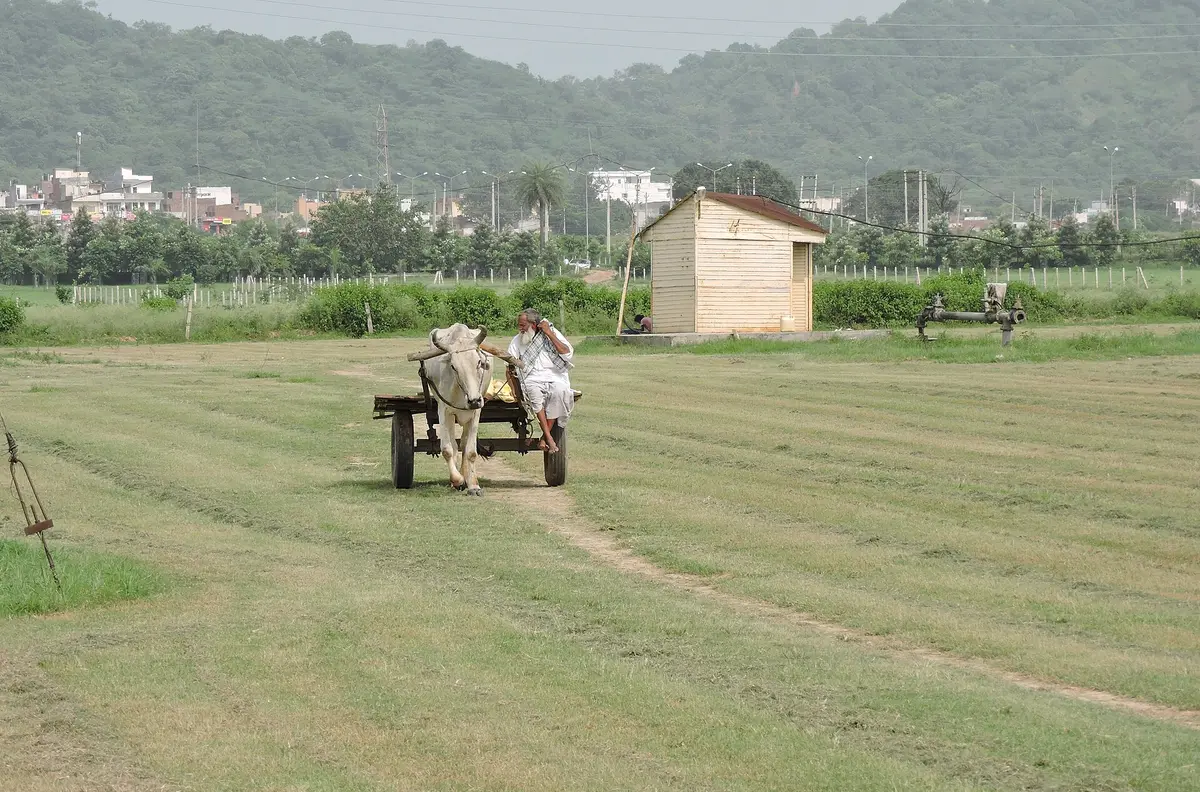
Our story
How our farm grew
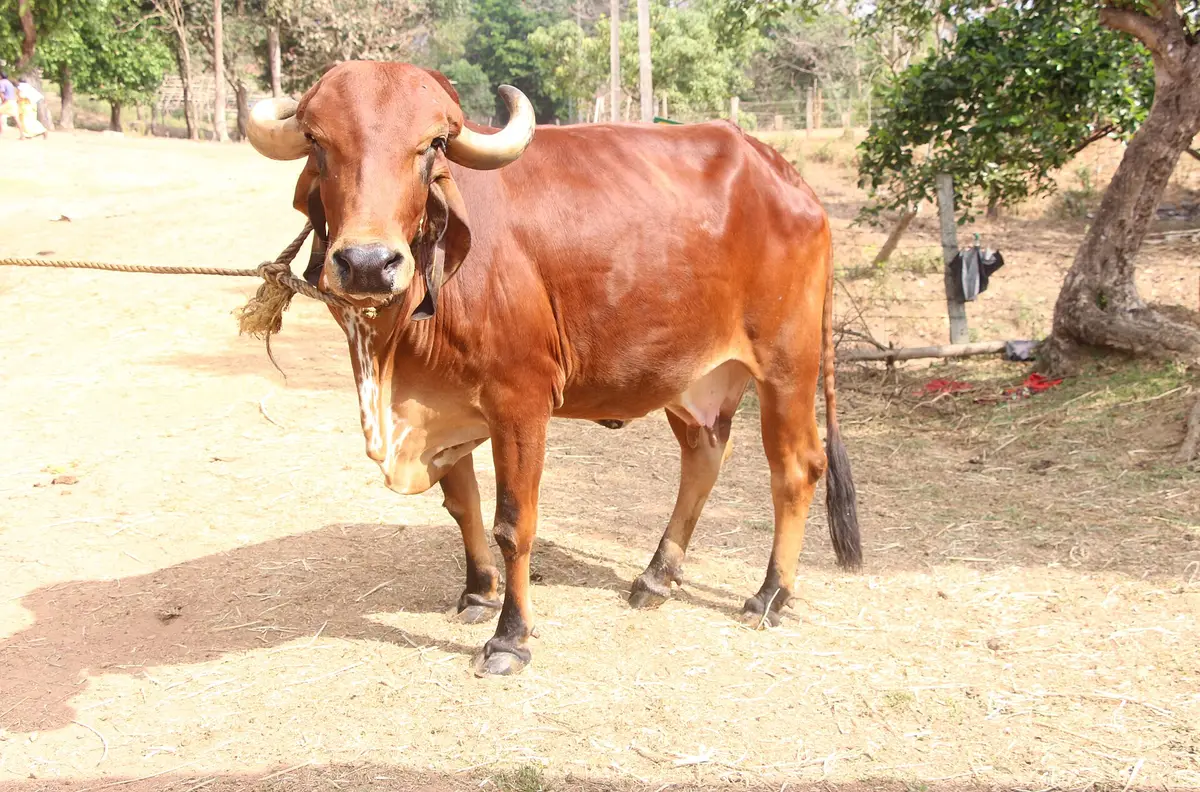
It began with a few Sahiwal cows and a single vermicompost pit. The family's fields had become hard and the fertilizer bill kept rising. Within three seasons of using our own compost, the soil was soft again and the earthworms were back.
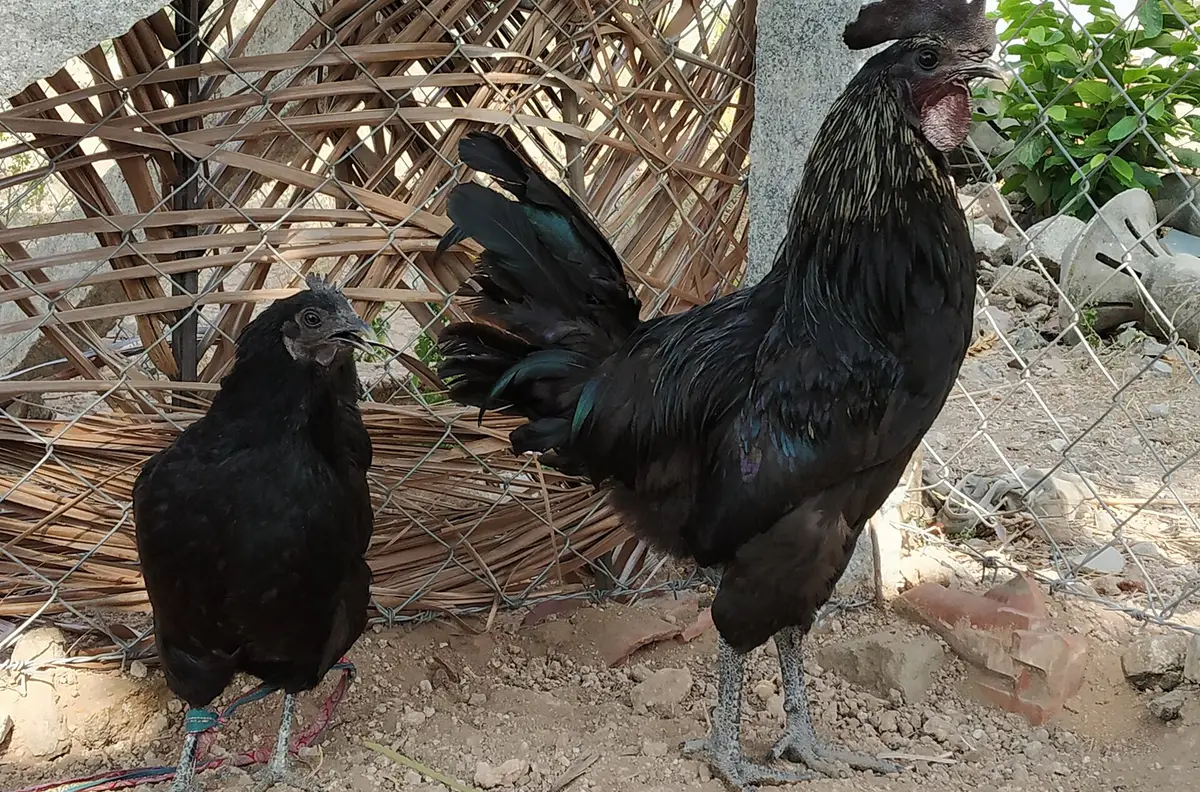
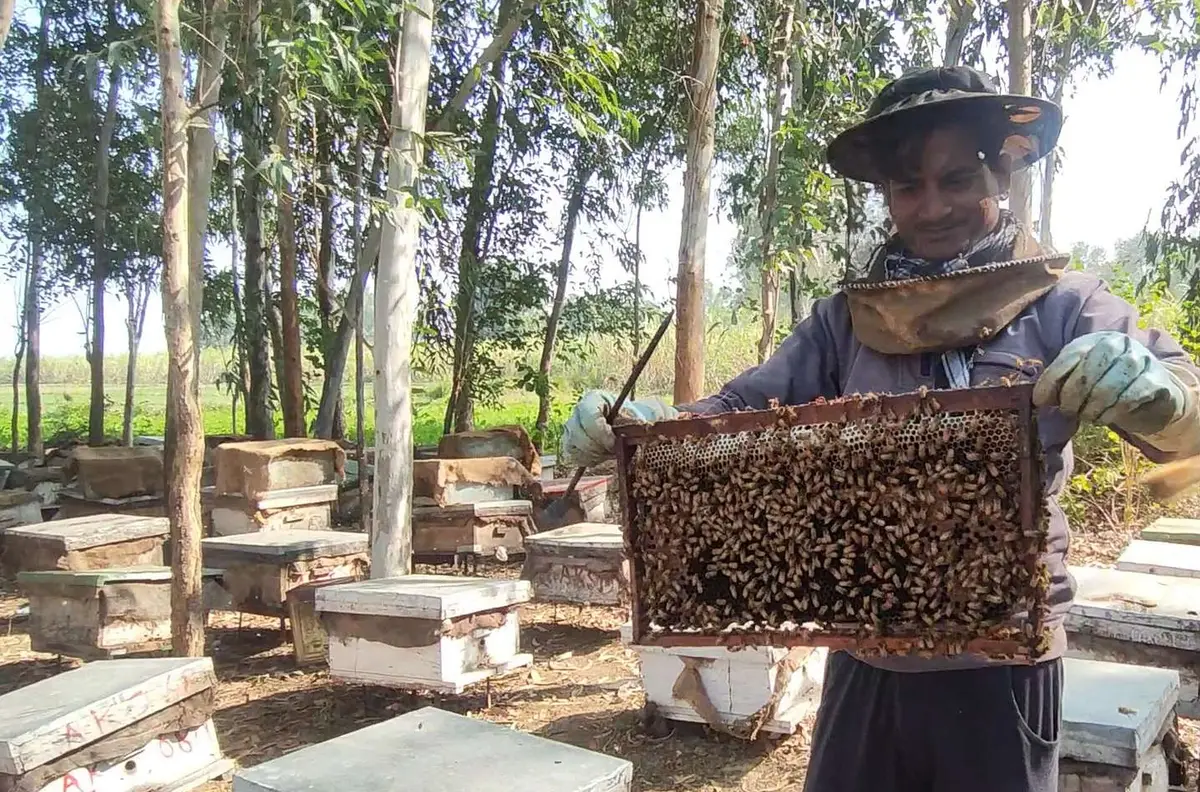
Neighbours started asking for milk, then for compost. Over the years we added desi hens for eggs and bee boxes along the mustard fields — and saw our crops pollinate better than ever.
Today the farm runs as one connected cycle. We are still farmers first, and everything we sell is something we use at home.
- Years of farming
- 12+
- Gir & Sahiwal cows
- 40+
- Desi hens
- 500+
- Bee boxes
- 100+
How it works
One farm, one natural cycle
- 01
Desi cows
Gir and Sahiwal cows graze on fodder from our fields and give A2 milk every morning and evening.
- 02
Dung to vermicompost
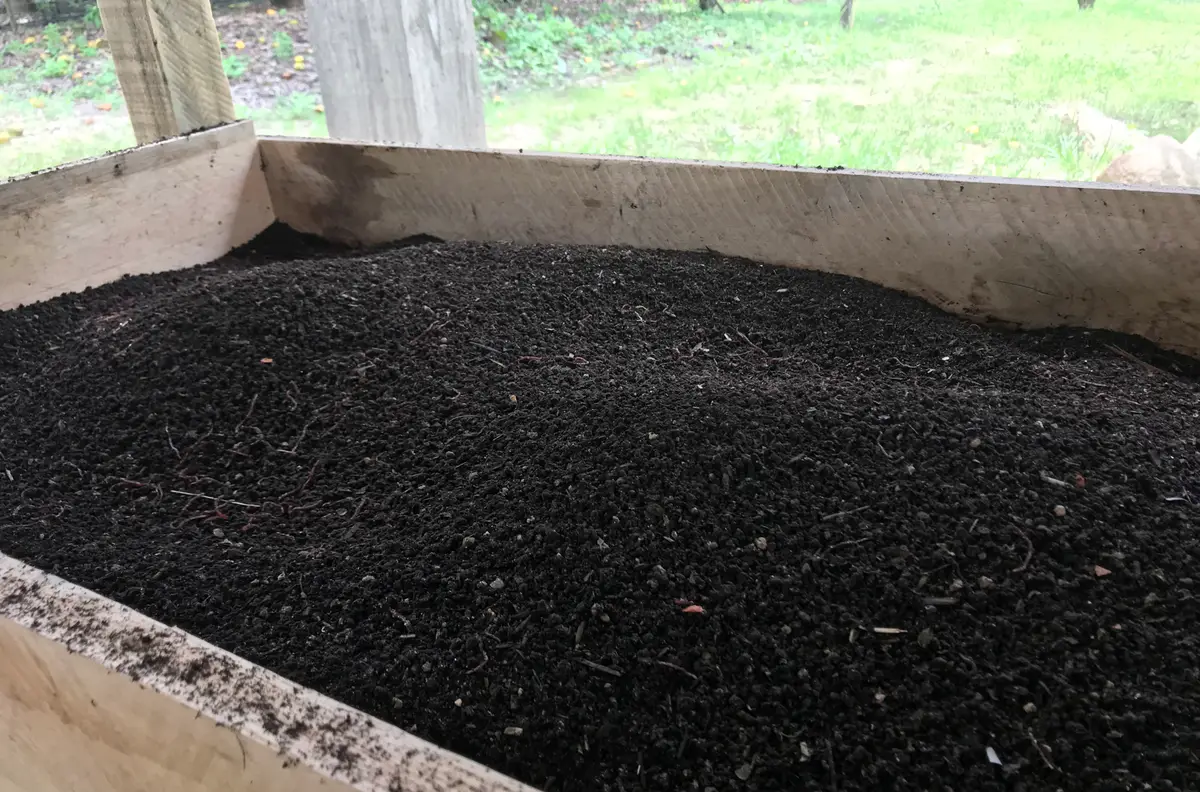
Their dung is aged and fed to earthworms, which turn it into rich vermicompost in 60–75 days.
- 03
Healthy fields
Vermicompost feeds our wheat, mustard and fodder crops — no chemical fertilizers needed.
- 04
Bees & hens
Bees pollinate the mustard and make honey; free-range hens clear pests and give eggs. Their litter goes back to the compost.