How to Use Vermicompost: Dosage for Field Crops, Vegetables and Pots
A practical guide to using vermicompost — correct quantity per acre, when to apply, and how to use it for vegetables, fruit trees and potted plants.
· 1 min read
Why vermicompost works so well
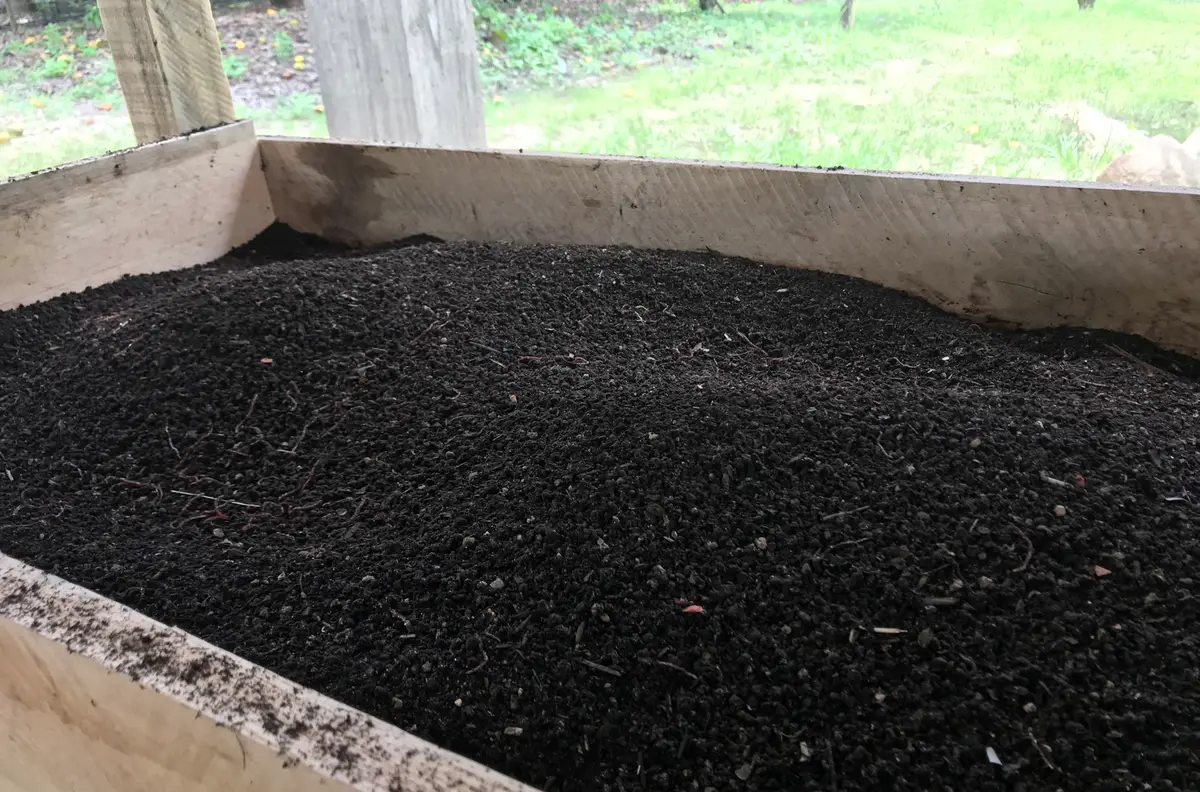
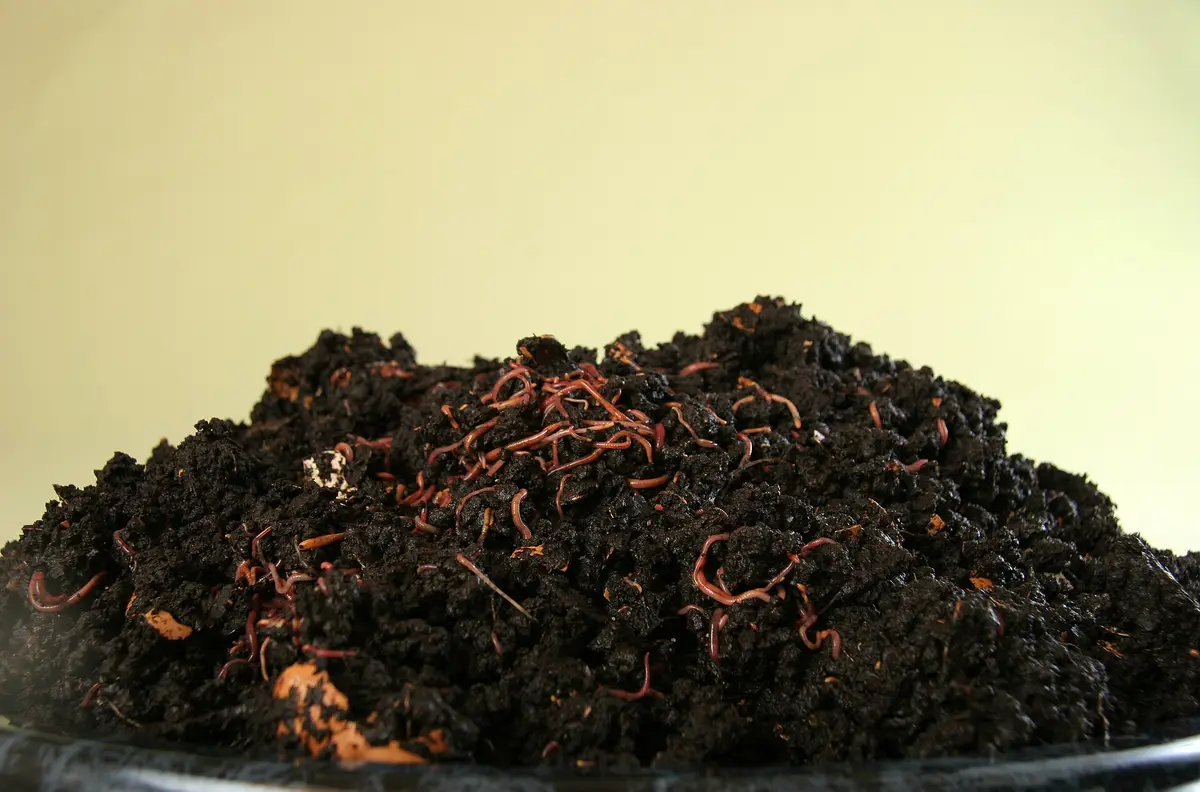
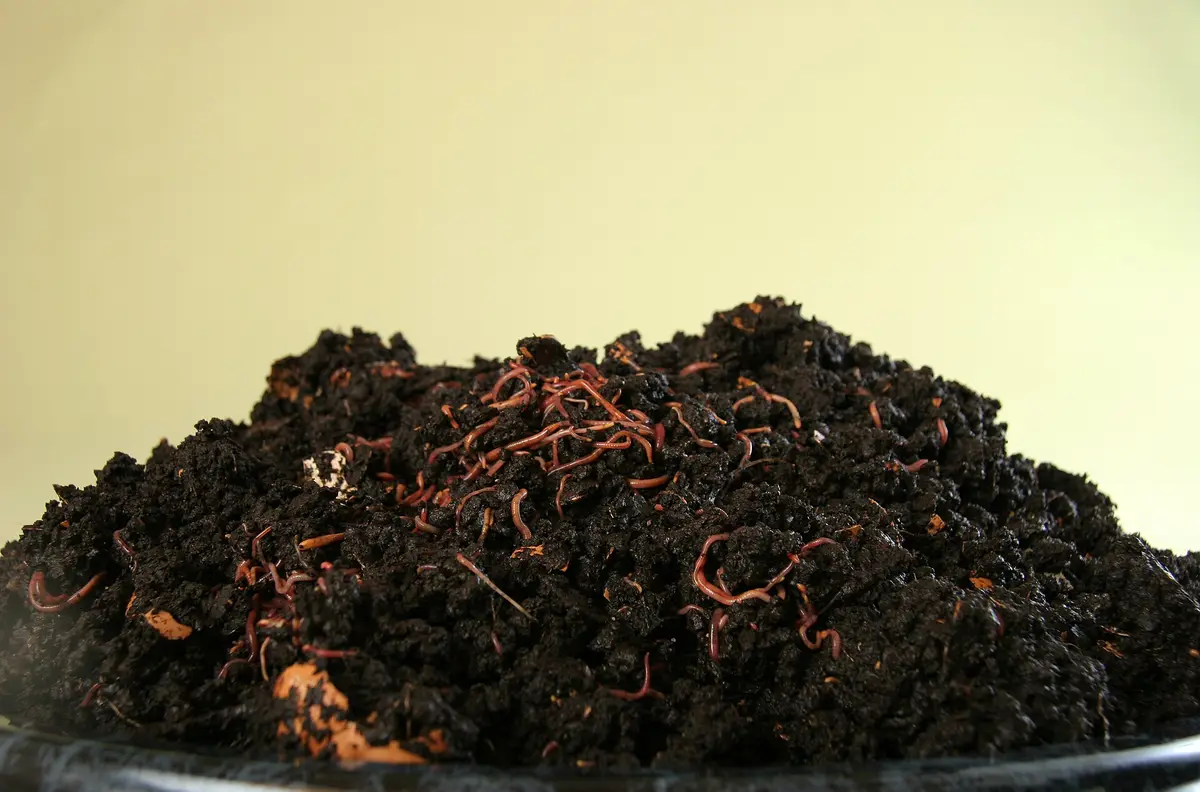
Vermicompost is the castings of earthworms that have fed on cow dung and organic waste. During digestion the material is broken down into fine particles coated with mucus and microbes, which is why vermicompost releases nutrients slowly and improves soil structure much faster than raw manure.
Dosage for field crops
For wheat, paddy, maize, mustard and sugarcane apply 1 to 1.5 tonnes per acre. Broadcast it evenly during the final ploughing or place it in furrows at sowing so it stays close to the root zone.
If you are reducing chemical fertilizers, cut urea and DAP by 25% in the first season and watch crop colour and growth before reducing further.
Vegetables and fruit trees
Vegetables are heavy feeders: use 1.5 to 2 tonnes per acre as basal dose and a top dressing of 300–500 kg per acre at flowering.
For fruit trees, open a ring 30–45 cm from the trunk, add 3 to 5 kg vermicompost, cover with soil and water. Repeat before monsoon and after harvest.
Pots and kitchen gardens
Mix one part vermicompost with three parts garden soil (and one part cocopeat if available) when filling pots. For established plants add 200–500 g on top of the soil every 45 days and water lightly.
Common mistakes to avoid
Do not leave vermicompost in direct sun for days after spreading — it dries out and kills the beneficial microbes. Cover it with soil or irrigate soon after application. Avoid mixing it with fungicides or chemical fertilizers in the same pit.