Desi Eggs vs Farm Eggs: What Is the Real Difference?
Size, shell, yolk colour, taste and price — an honest comparison of free-range desi eggs and commercial farm eggs, and how to store them.
· 1 min read
Different hens, different lives
Commercial farm eggs come from high-yield layer breeds kept in large sheds and fed a balanced commercial feed. They lay almost an egg a day.
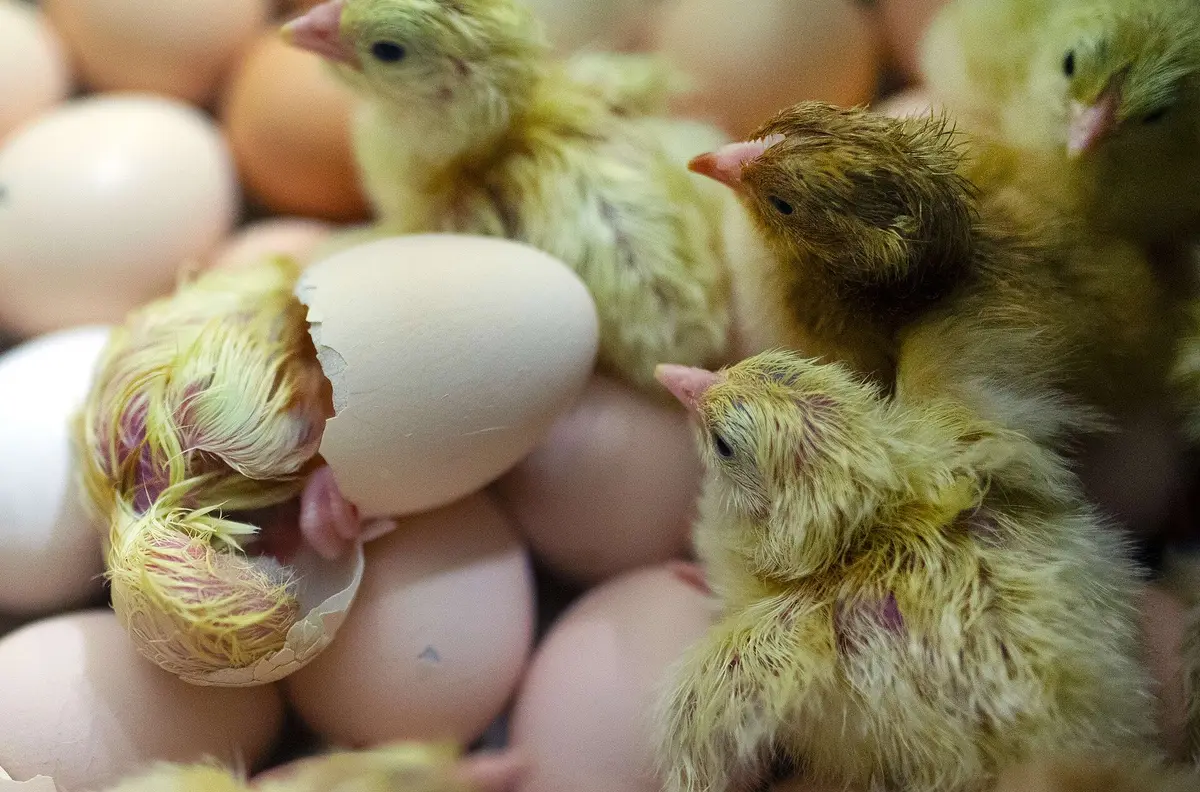
Desi hens are native breeds that roam outdoors and eat grains, greens and insects. They lay far fewer eggs — often 80 to 150 a year — which is the main reason desi eggs cost more.
What you will notice
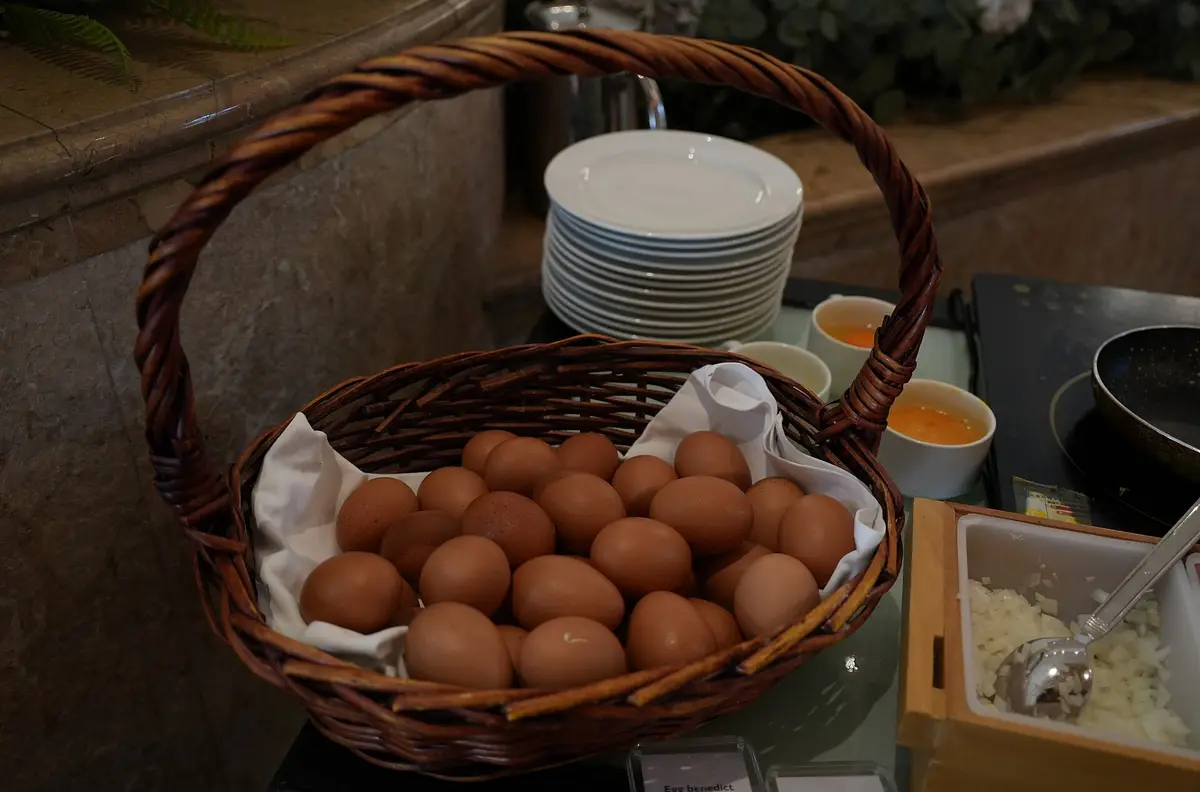
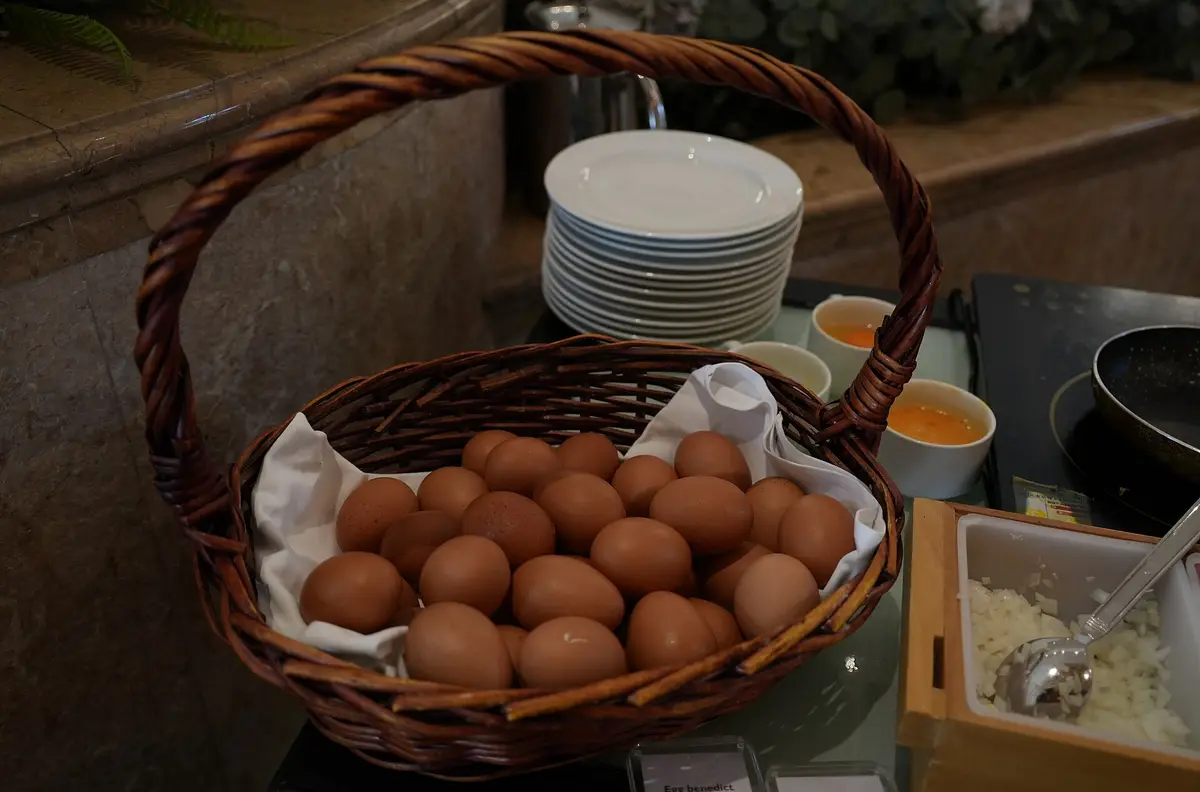
Desi eggs are smaller, usually 40–45 g compared with 55–60 g for farm eggs. The shell is thicker and the yolk is often darker yellow or orange, depending on what the hens ate.
Many people find desi eggs tastier and richer. Nutritionally, both are good sources of protein; the differences in vitamins and fats depend mostly on the hen's diet.
Beware of fake desi eggs
Because desi eggs fetch a higher price, some sellers dye ordinary eggs with tea. Real desi eggs have an even, light brown or cream colour that does not rub off with a wet cloth. Buying directly from a farm you can visit is the safest option.
Storing eggs
Keep eggs in the fridge, pointed end down, and do not wash them until just before use — washing removes the natural protective coating on the shell.